
Police vs Background Checks: Know the Difference
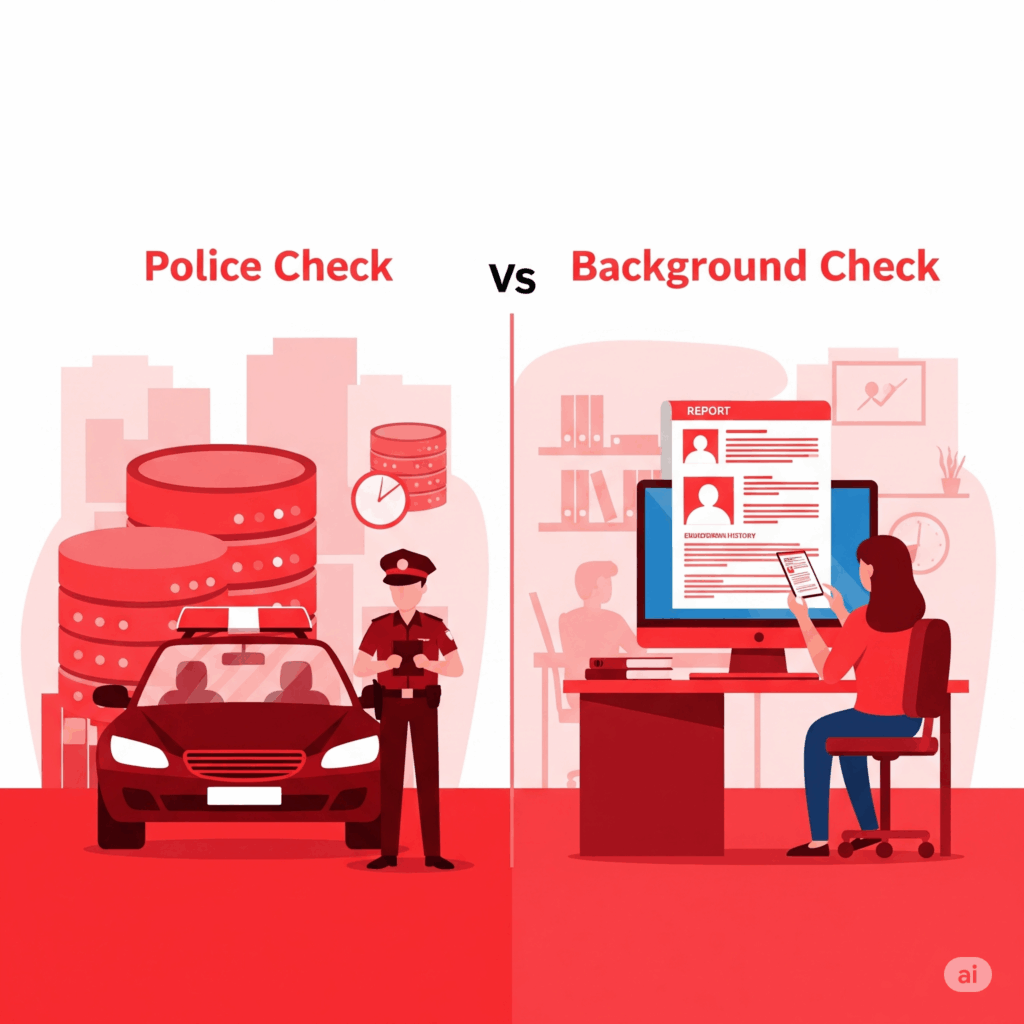
While screening candidates is important for employers to build a reliable and safe workforce, such processes before hiring are never too much. When referring to someone’s history, two of the most common terms that are usually called upon are a police check and a background check. While often treated as the same thing, they have different applications, and their information content varies. It then assists employers and applicants to know what check may be necessary in any given situation. Rapid Screening provides Police Checks as well as full background checks, customised based on individual industry and regional requirements, for example, Background Check WA. Key Differences of Police Check and a Background Check? Understanding the basics of the difference between a police check and a background check can easily clarify which is better for a particular role or purpose. A summary of some of the primary difference between a police check and a background check is explained below: Police Checks These checks occur in organisations whose safety and trust are a key focus. From the health sector to teaching, childcare, and even aged care sectors, most of them demand a detailed knowledge of the difference between a police check and a background check from employees. An employer in South Australia may ask a person for a Police Check SA, for instance, just to ensure that they have minimal safety standards This check basically revolves around a criminal review of the individual. It might include past convictions, current charges, as well as cases of offenses in particular jurisdictions. Background Checks People generally prefer these background checks at higher or sensitive levels, like finance or corporate organizations, or jobs related to governments, because long histories are believed to be useful. While a background check is more holistic. It may cover employment verification, education history, and financial checks, as well as criminal history. Companies requiring in-depth information regarding diverse aspects of a candidate’s background often opt for a full background check. Most individuals appointed for the exercise of high-ranking government powers, such as some at Background Check WA. Rapid Screening can offer concentrated solutions, and the details of background information of various industries’ employers would be attained. Turnaround Times Police Checks Generally, the difference between a police check and a background check is that a police check is faster than all other forms of background checks, which take hours or just a few days. They are very apt for jobs that require speedy verification, such as casual and part-time work. With increased scrutiny in the verification process, such as employment and education checking, background checks might take a few days or even up to a week, depending on the level of detail. Legal Compliance and Requirements The difference between a police check and a background check can also be that some jobs require police checks, especially in areas that are legally and normatively mandated in trust positions. Many government and healthcare organizations enforce police checks to ensure a safe environment for clients and the public at large. Organizations whose management or executive roles demand thorough history checks legally demand background checks. So it’s important to understand the difference between a police check and background check. A background check safeguards the reputation and integrity of an organisation. An openness characterises the working environment; for instance, finance or government institutions engage in open and transparent operations; therefore, conducting background checks presents a chance for this. Privacy and Candidate Consent Other than that, the difference between a police check and a background check can be that police checks are less intrusive as they address criminal records rather than personal sectors. They are easier to obtain, and there are fewer requirements of documents from applicants. Why the Employer Would Prefer One over the Other The type of check really depends on the nature of information considered valuable enough for that job. A police check would be effective for jobs that only require basic verification, in the event that a criminal history raises a concern, much like some healthcare roles manage to get through with a Police Check SA. More Exposed Profiles Recruiters associated with organizations holding significant authorities on funds, powerful legal mandates, or government powers like to employ the background check procedure. Like in the case of Background Check WA, they have a more 360-degree view of the applicant. It’s vital to know the difference between a police check and background check. Benefits of Partnering with Rapid Screening for Police and Background Checks Rapid Screening provides the most tailor-made solutions based on the screening needs of businesses within sectors. Here is how Rapid Screening stands apart: Compliance Rapid Screening ensures that all checks are compliant with national and state regulations that include Police Check SA or Background Check WA. Fast Turnaround Rapid Screening will undertake a streamlined process to deliver results within a quick turnaround even on the most detailed checks, often involving multiple verification tiers. Comprehensive Options Companies can opt for checks customized for the specific job’s requirements, ensuring that the information gathered is relevant and valuable. Ease of Use The Rapid Screening process is simple and easy to understand and operates based on easy accessibility to employers and applicants for quicker, simpler, and even more effective service. Choose the appropriate check to match your needs, and it’s not always necessary to do a police check. The police background checks are merely to provide information related to criminal history. It takes a relatively short period of time, and it best suits businesses dealing with urgent issues of safety, such as health, childcare, and aged care. More suitable for jobs that demand scrutiny of one’s personal history, professional credentials, and integrity in financial matters, which are highly in demand in the finance, corporate, and government industries. Conclusion While the difference between a police check and a background check provides a necessary tool in the recruitment process, they are different both in their goal and the information collected. Police checks target the individual’s record of crimes committed,
Instant Online Police Checks with Rapid Screening
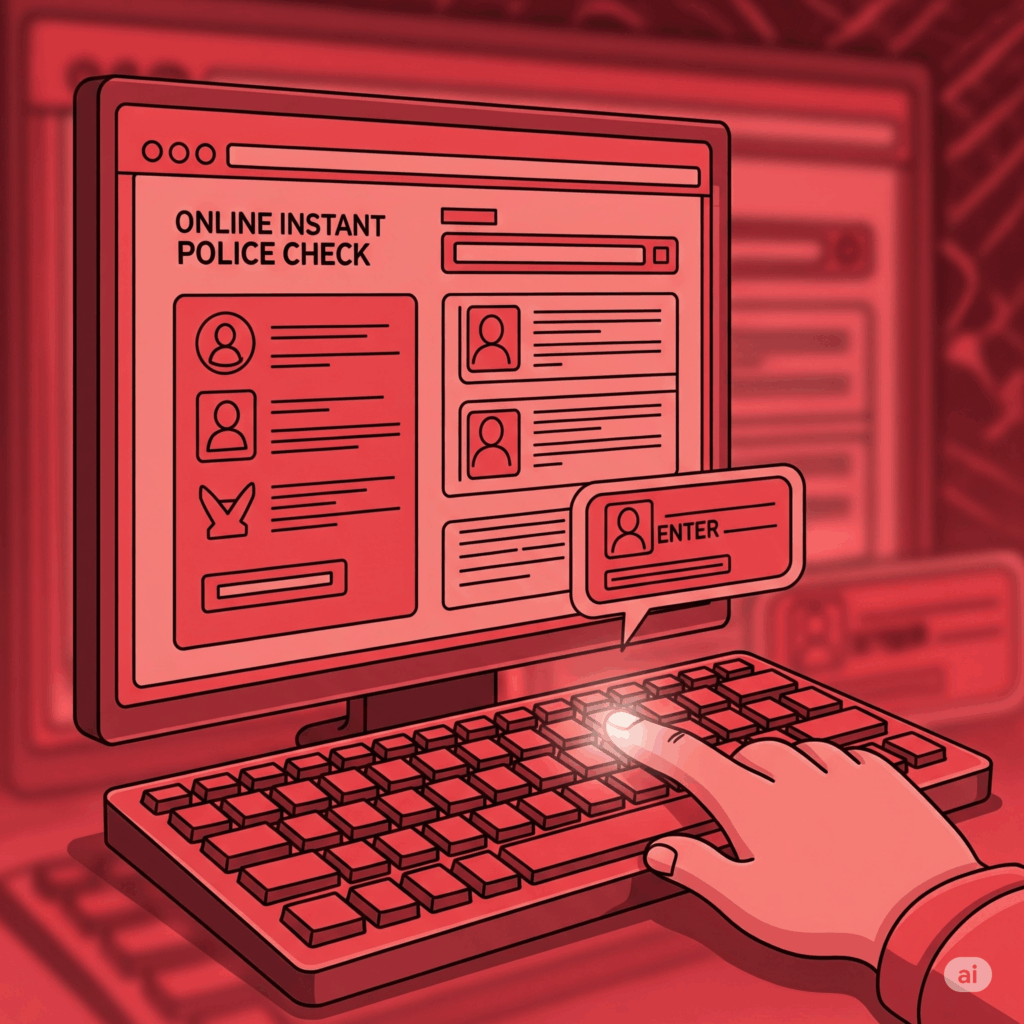
Speed and convenience are generally two of the top considerations for most people when it comes to obtaining an instant police check online. Whether you’re in New South Wales, Victoria, or South Australia, having your police check done as quickly as possible will make all the difference in landing that job, getting on that volunteer work, or even that tenancy agreement. In this tutorial, we’ll cover the fastest way to obtain a police check online via a streamlined and trustworthy service such as Rapid Screening. Online services mean that you don’t have to go to a police station or wait weeks to have it. We return 70% of checks in a couple of hours. Why Do You Need an Online Police Check? An instant police check online saves time and hassle. With a digital solution, you save time, avoiding queues and paperwork for the entire process, which is a speeded-up process. Rapid screening delivers an easy-to-navigate online service whereby you submit your application in minutes to make it available to Aussies. How to Apply for a Police Check Online in Minutes Step 1: Visit the Rapid Screening Website First, apply through the Rapid Screening website, which serves people of numerous states across Australia. If you are searching for police check NSW,police check Victoria, or police check SA, there is undoubtedly an option that best suits your needs from this list of customized options. Step 2: Choose Your State While it doesn’t matter from which state you are, the good news is that Rapid Screening makes it all easy for you. When applying, you can select your location from New South Wales, Victoria, or Police South Australia. This way, the system will tailor the application to ensure that state regulations are met. Step 3: Complete Mandatory Fields You need to complete the information required to finalize the instant police check online application. These usually include: Step 4: Finally, Complete Your Identity Verification Rapid Screening provides a safe online process to verify your identity. Normally, you will be required to present any form of identification, including, but not limited to, your driver’s license, passport, or Medicare card. It is only through the verification of applicants’ identities that your police check will be conducted both accurately and according to law standards. Step 5: Submit Your Police Check Application and Obtain Your Result Once confirmed, submit all the information that you hold. You are ready to go! Rapid Screening gives results on Police Check NSW, Police Check Victoria, or Police Check SA in most cases 70% within 24 hours. It is, therefore, one of the fastest services around. Benefits of Selecting Rapid Screening for Police Check Quick turn-around time Fast Screening gives one of the fastest turnaround times possible; we do almost 70% of checks in a couple of hours. This is a big thing when working with a timeline. 100% Online Process The Rapid Screening system can be done from anywhere online and from any device, therefore you will not be tethered to a location. You can say goodbye to the hassle of site visits. Secure and Confidential All collected information is strictly kept to be safe. Rapid Screening ensures that personal information is safe through the latest and most advanced security measures available in the market. Each State Has Its Options Rapid Screening has dedicated services for Police Check NSW, Police Check Victoria, and Police Check SA. Every state in Australia has different specific requirements. Police Checks by State Police Check NSW If you are located in New South Wales you are bound to need a Police Check NSW at least some of the time when applying for a position in healthcare, education or a government position. Rapid Screening has striven to make this process as painless as possible because they are inherently very much aware of the unique features that the checks for NSW-based people are expected to have in place. All you need to do is choose the Police Check NSW through their platform and then go through the subsequent steps. Police Check Victoria For persons living in Victoria, a police check of Victoria often is required by employers and volunteer groups. Applying online allows you to be able to receive your police check Victoria results quickly, with no need to go to a police station. Police Check SA For any South Australian residents, placements in childcare, health settings, and other regulated environments require a Police Check SA. Rapid Screening offers a quick solution to complete your police check for SA, ensuring compliance and accuracy in a fraction of the time. Why Employers Prefer Rapid Screening for Police Checks New South Wales, Victoria and Police Check South Australia employers depend on Rapid Screening for instant police check online no more time and are compliant. Services such as online services offered by Rapid Screening facilitate employers to handle requests for police checks efficiently and on time so that they can hasten their hiring decisions. Bulk Application Options Through Rapid Screening, businesses are capable of posting multiple applications at one time which helps easily get big teams onboarded. Digital Records for Easy Access Employers can view and securely store instant online police check results to manage records efficiently and renew checks conveniently when they expire. State by State Compliance Every instant police check online by Rapid Screening is assured to meet the state’s regulations. So, employers can source people confidently. Tips for a Hassle-Free Police Check Application Process Get Ready for Your ID Documents You should have all your identification documents ready and scanned appropriately. This can be a combination of primary and secondary IDs, for example; a driver’s license, passport, or Medicare card, and many more. Personal information correctness Human errors in personal information may delay the time taken to receive the instant police check online outcomes. You must ensure your personal information is correct before submitting the application. Application Follow-Up If your result isn’t ready within the expected time, you can contact Rapid Screening’s 24/7 customer service to query
Legally Hire Foreign Workers with Full Compliance Checks

Foreign workers are increasingly being hired in Australia. For instance, the health sector and construction sector import a lot of foreign workers for these industries. Hospitality is also another sector that sources foreign workers for hotels, restaurants, and tourism sectors. However, businesses must conform to federal and state legal requirements in the hiring of overseas workers; otherwise, the business will attract heavy penalties. Lastly, legal compliance in hiring foreign workers in Australia involves not only checking the statuses of their visas but also checking a right-to-work authority, such as a police check NSW or police check WA. It also involves checking your employees’ status against visa conditions through services like Rapid Screening. In this step-by-step guide, we’ll be taking you through the necessary steps required to ensure your business is compliant with the laws of Australian immigration and how services like Rapid Screening can make this process as smooth as possible. Why Is Legal Compliance Crucial for Hiring Foreign Workers? Legal compliance on hiring foreign workers in Australia is necessary for very important reasons. These reasons include protecting business from heavy penalties, either in the form of fines or criminal charges. It also ensures that businesses gain the respect of their people and in some fields such as healthcare and education, ensure well-needed compliance. Last but not least, it is an ethical responsibility to treat the foreigners working for one fairly and legally. Key Legal Hiring Requirements of Overseas Employees There are many legal requirements a business follows in hiring foreign workers in Australia, that is, from checking for visas to police checks, especially in states such as NSW and WA. Right to Work Checks (VEVO) The Visa Entitlement Verification Online (VEVO) system is the principal tool that businesses have to rely on to confirm the work rights of foreign nationals. VEVO is an online check that employers can undertake to verify the visa status of any prospective employee to ensure that they are legally permitted to work in Australia. Rapid Screening provides businesses with efficient, fast VEVO checks to ensure that employers hire employees with the proper visa entitlement. This avoids unwitting hiring by incompetent employers who do not familiarize themselves with the relevant visa entitlements. Employer Requirements Besides the above, the businesspersons have to obey the Migration Act 1958 about the rights and liabilities of employers about the employment of foreign nationals. Not being able to demonstrate whether or not the working conditions of a particular worker conform with visa issues can lead to a very high fine or even imprisonment. The employers must: Be able to demonstrate that the foreign worker holds a proper visa; be able to demonstrate that conditions with his visa, such as the times he is working or where he is allowed to work, are respected. Keep records of work status and visa checks. It is where Rapid Screening provides real worth in ensuring that businesses are updated with no administrative hassle. NSW Police Check and Police Check WA Depending on the industry, hiring foreign workers in Australia may be subjected to producing police checks. Industries such as healthcare, education, and a host of others would mandatorily require police checks to be produced by both local and foreign workers to validate their backgrounds. NSW Police Check: Certain categories or sectors, such as aged care, child protection, and health, in New South Wales require the Australian or foreign worker to hold a valid NSW police check. Police Check WA: Similarly, in Western Australia, for hiring foreign workers in Australia, education, health, and public services sectors need Police checks in WA. Rapid Screening makes it easy with their verification services, which include also these checks. Steps to Compliance with the Legal Hiring of Foreign Employees Verify Work Rights The most important thing that can be done for compliance is the doing of work rights verification through VEVO. It will enable you to cross-check with regard to the type of visa, working restrictions, and the expiry date of the visa. You must ensure to check all these things before actually offering the person a job as it would save you from the legal risks. It is easy to access VEVO. Either direct access or services such as Rapid Screening can be undertaken by ensuring accuracy and efficiency in the process. Industry-Specific Requirements Compliance processes while hiring foreign workers in Australia are industry-specific. For example, the health sector in NSW would require a more strict process of police checks and issuing work permits than the construction industry in WA. Rapid Screening shall help obtain the right compliance process by an industry. Conduct Police Checks (NSW, WA) The worker presents a current NSW police check if he or she is employed in New South Wales. The worker presents a current police check WA if he or she is working in Western Australia. Failure to perform these checks may result in penalties for non-compliance. QuickScreen offers streamlined support for police check verifications, so your business remains compliant with both state and federal needs. Stay Informed on Immigration Law Updates Immigration laws and work rights regulations can change overnight, so it is the responsibility of employers to keep up to date. In using a service such as Rapid Screening, businesses can ensure their hiring practice is up-to-date on any legal changes. Penalties for Non-Compliance Employers may be liable to experience penalties if they are hiring foreign workers in Australia without the appropriate visa or work rights. A failure to verify work rights using Australian law has penalties such as: A penalty of as high as AUD $315,000 per employee for failing to comply Possible imprisonment for criminal charges Destruction of a business reputation, particularly of a company involved in controlled industries like health and building Through the use of Rapid Screening, a company can be certain that it meets all the legal provisions to prevent such penalties. How Rapid Screening Can Help Your Business Rapid Screening is a firm that does work rights verification, police checks, and immigration compliance
What Does a Pre Employment Background Check Include?

Introduction: Pre Employment Background Check: Contemporary hiring practice ensures that each applicant is suitable, trustworthy and appropriate for trade. Background check results are assessment reports about all history related about the candidate-criminal record; employment experience-educational and more. It is not only a verification process but also one of minimizing risks, protecting the brand, and building a trustworthy workforce for employers. It is an opportunity for job seekers to show transparency and authenticity. This blog will explore the core components of pre employment background checks, their significance in the recruitment process, and the critical role they play in fostering a safe and productive workplace. Whether an employer conducts screenings or a candidate is preparing for one, it’s important to know about the scope and value of comprehensive background checks in today’s professional environment. Let’s dive into what these checks contain and why they are so important in recruitment. What Does A Pre Employment Background Check Entail: A pre employment background check is a crucial step in the hiring process, designed to verify the qualifications, history, and credibility of potential employees. Employers worldwide, including in Australia, use this process to ensure they are hiring trustworthy and capable candidates. In this blog post, we’ll dive deep into what a pre employment background check entails, its typical timeline, and why it might take longer than expected. Understand The Importance Of Complete Background Checks: In the current and competitive, fast-moving job market, comprehensive background checks are no longer a formality but a critical aspect of good recruitment. It provides an employer with a comprehensive and accurate view of the potential employee and ultimately facilitates them to have a safe, productive, and ethical workplace. 1. Preservation of Organizational Integrity: Background checks prevent the liabilities of a business from getting hurt by risks of negligent hiring. It helps verify that a candidate’s credibility is verified, and his criminal record, work history, etc. can be screened before joining the company so that it is not exposed to liabilities. 2. Safe Working Environment: An employer is responsible for ensuring that employees and customers are provided with a safe workplace. Detailed background checks are done on applicants so that red flags, such as a history of violence or substance abuse, will not endanger others. 3. Employee Quality Improvement: It provides for the right person for the right job, with all the requisites of the job done in the right standards of ethics that will make the big, trust worthy workforce to be ready and available on line with that of company’s culture. What Is A Pre-Employment Background Check: A Pre employment Background check is that employment screening given by employers when the candidates gathered during selection have their details confirmed. A common background check does include: Work Experience: Verification of claimed work experience a candidate has. This is therefore a reflection on one’s resume Education: Check on academic credentials Credit History: Checking on soundness in his financial dealings following the requirements to the position especially the financial responsibility position. Reference: Contact prior employers or other personal referees Why Are Pre Employment Background Checks Important: Employers invest in pre employment background checks to reduce risks and protect their work environments. Such is the importance of the reasons why they are necessary: Safety: By confirming a candidate’s criminal record, the security of your workplace can be guaranteed. Accuracy in Hiring: It verifies that the applicant has the experience or qualifications he or she presented. Turnover Costs: Getting the wrong person may cost money; background checks can save this. Compliance: Companies such as healthcare and finance have regulatory mandates on background checks. How Long Will It Take For A Pre Employment Background Check: Arrival Time: 70% of checks will be returned within 2-4 business hours, while the remaining 30% may take more than 10 business days. Employment Background Checks In Australia The Australian federal and state laws regulate employment background checks on the interests of employers against individual privacy rights, including Victoria background checks and NSW verification checks. Key factors are: – Police National Checks, which reveal disclosed court results: It is incorporated in pre employment screening. – Anti-nondiscrimination legislation: Based on irrelevant criminal record, it becomes illegal for an employer to deal with the applicants discriminatorily. – Permission Needed: The applicant should first seek a writing permission. Why Employment Screening Are Essential In Contemporary Business The current business environment is very challenging and faces issues like increased competition, increased legal and social accountability, and many more.Thus Employment checks are critical in handling these challenges since they create trust, reduce risks, and ensure long-term success. 1. Elimination of False Claims: Applicants always exaggerate in their resumes to be noticed. Employment verifications verify claims about education, experience, and certifications. Organizations do not hire fraudulent applicants who may misrepresent themselves. 2. Industry Compliance: Healthcare, finance, and transportation industries need strict regulatory compliance. Failure to comply with the regulations will attract litigation against the business and damage its reputation. 3. Safeguarding Business Reputation: Hiring people with good records ensures the company’s good name in the society. Any news related to such an employee and his bad history can make bad publicity concerning the brand name and customer loyalty. 4. Reducing Turnover Cost: The costs of hiring and onboarding training are very costly. Employment background checks help sift through candidates best suited for that particular job which will minimize their turnover and turn-over expenses as well. Steps That Will Make The Process Smooth: Be honest: Get the facts right from your resume to an interview. Have paper work ready: Have copies of your certifications, employment records, and all identification available. Review Your Record: Review your credit report and criminal history in advance so that one can discuss all discrepancies proactively. Advise References: Make sure to inform your references that the employer may contact them. Know Your Rights: Familiarize yourself with the local law regarding background checks. How Background Checks Enhance Workplace Safety 1. Reduce the Risk of Negligent Hiring: Negligent hiring is hiring an employee that
How to become a disability support worker

Having a career in social work is fulfilling and inspiring. Being able to assist, care and be there for the vulnerable minority is commendable and an excellent way to give back to them. Your assistance as a care worker will range from emotional support to physical support and personal support to ensure individuals with disabilities will receive the care they need. However, there comes a lot of considerations to take when wanting to pursue it. In this article, we will be providing some guidelines and helpful tips for people who wish to uptake the responsibilities to understand how to become a disability support worker. Be qualified The first and mandatory step into becoming a disability support worker is to be qualified for it. Although personality and passion play a vital role in the job’s overall function, individuals who want to become disability support workers must receive official certification in social work courses to be a valid care worker. Employers will always request for formal qualifications so before you decide to apply for this position, ensure that you have the certification to present your officiated status. This should come as no surprise because being a disability support worker means to care for those who require a higher level of support. Before getting the certifications, you would have to be properly examined so that the trust that will bestow upon you will be in capable hands. Here are the official steps you will have to take to become a certified disability support worker: First, you will need to complete a course that will grant you with a vocational qualification in disability or community services. The two types of certificates you must present is either the Certificate III in Individual Support (CHC33015) or Certificate IV in Disability (CHC43115). Next, you are going to have to obtain a current police check in the state that you are in. It is also recommended that you have received first aid training and a certificate to ensure that your skills during an emergency are professionally recognised. After receiving the necessary and formal qualifications, you can also opt to go further and study to receive a Bachelors of Social Work. This social work degree will equip you with further professional qualifications and knowledge to advance in your career. There also are specialised fields for disability support workers so if you choose to go towards that path, a further education will be beneficial. If you prefer practical experience, you can participate in Disability Services. Volunteering in the industry gives you more practical knowledge that can be applied, and plus, it’ll look great when applying for different jobs. The more experience you have, the better for not only employers but for disabled individuals. What to expect when becoming a disability support worker. Be ready to be rewarded and challenged in all ways imaginable. When you become a disability support worker, it will be fulfilling, touching and commendable but it will also be a job that demands hard work and attentiveness. Other than being physical support workers, you will also have to provide emotional support and personal care. For individuals who are not able to fulfil their needs such as personal hygiene, a care worker will have to be careful and assist them in personal cleaning to maintain their mental and physical health. Here are some of the expectations you will be encounter during your job: Disability support workers provide assistance in everyday activities such as dressing up, cooking and eating as well as preparing them if they want to engage in community services and activities or attend personal appointments. Attentiveness is required because disability support workers provide the assistance in avenues where disabled people cannot achieve. Disability support workers are also expected to be there when attending to personal activities such as appointments or accompanying them to activities that support their interests. If disabled individuals require our advice or even someone to talk to, as a care worker, we will always be there for them when they need us. You should also expect an experience that will be rewarding because nothing means more than being trusted in a community. Most of the time, they can be akin to us in our interests and even passions, so expect your job to be exciting and filled with some of the most inspiring and amazing people. What is the estimated salary of being a disability support worker? You should expect to receive a salary of $78,000 per year as a Victorian. As the community starts to be more inclusive and recognise our disable individuals, there has also been an increase in job opportunities for it. Job growth has also not been shy of good numbers. It shown an increase of 25.4%; therefore, there are opportunities offered, but to become a disability support worker, you have to show your compassion towards people who need your support most. Your work placement areas can be privatised and personal or in institutions such as local government care centres, aged care centres and private nursing homes. Who should consider this career path? Ideally, anyone who has the experience, passion, or interest in providing care to people who have disabilities should look into this career path. Here are a few things to keep in mind and reflect upon before taking up the job: The way disability support work is meant to be done is with absolute vigilance and our priority being disabled individuals. If you find yourself not attentive or careless, you might have to reconsider or go through extensive training to ensure that you do not put disabled people in any harm while you are at work. A care worker must be empathetic and must maintain patience in every situation to ensure that we do not cause any mental strain to anyone who is disabled. Especially for care workers assigned to work as a personal care worker, you must get to know and be a person they can trust. Different customers have different characters but as a support worker for
Want an Aged Care Job with No Experience?

Although it may seem daunting to enter the aged care sector without previous expertise, it is completely feasible and frequently more doable than you might imagine. The need for kind, committed carers is greater than ever in Australia due to the country’s aging population. There are numerous ways to get a job in aged care and start a fulfilling, lasting profession in this important field, even if you lack firsthand knowledge. Using transferable talents, obtaining suitable credentials, and effectively networking are all steps in this tutorial that will show you how to land a career in aged care without any prior experience. Why Choose a Career in Aged Care? A Growing Sector with Job Security Aged care is one of the most booming organziation in Australia. Healthcare in senior people is seeking employees day by day with an increased rate as every year some individual joins the senior age group. As of more demand in aged care it becomes a trustworthy and steady job application for those who are seeking a long term work application. Change the Lives of People Providing care for the elderly can have a significant emotional benefit. It is really satisfying to improve an individual’s standard of life and enable them to live with honor. Knowing the Aged Care Sector Understanding the kind of positions that are open and what companies often look for in applicants even those without experience is crucial if you want to work in aged care. Common Entry Level Roles These positions are perfect for those new to the field, often requiring a caring attitude and a willingness to learn rather than extensive experience. Highlight Transferable Skills Even if you haven’t worked in aged care before, you likely have skills from previous roles that are highly relevant. These include: Make sure your resume reflects these transferable skills to help you get a job in aged care more easily. Undertake Basic Training Consider a Certificate III in Individual Support (Ageing) Although it’s not necessarily required, taking a pertinent course, such as the Certificate III in Individual Support (Aging), can greatly increase your reputation. Short, flexible programs are offered by a large number of Registered Training Organizations (RTOs); some even incorporate actual placements. Free or Funded Courses Examine initiatives funded by the government in South Australia, Victoria, and New South Wales. These can improve your suitability for internships and give you access to inexpensive training. Volunteer in Aged Care Volunteering is one of the best ways to get a job in aged care when you’re starting from scratch. It provides hands on experience, builds your network, and looks fantastic on a resume. Where to Volunteer Not only will you gain practical exposure, but it shows employers your commitment to the field. Build a Resume Tailored to Aged Care When applying to get a job in aged care, your resume needs to reflect the values and competencies of the industry. What to Include: Use keywords like “caring,” “responsible,” “client focused,” and “dependable” to catch recruiters’ eyes. Apply to the Right Employers When you’re just starting, focus on employers who are open to training new staff or have entry level positions. These often include: Browse platforms like specialised healthcare job boards to get a job in aged care that fits your location and schedule. Ace the Interview Landing an interview means your resume has made an impression now it’s time to show your passion in person. Tips for Aged Care Interviews: Employers often hire based on attitude, not just experience. Get a Police Check and Other Clearances A National Police Check and, in certain jurisdictions, a Working with Vulnerable People (WWVP) or Working with Children Check are required for the majority of aged care positions. Having these on hand expedites your recruitment process and increases your applicant attraction. Reputable companies like Rapid Screening can expedite the process of getting your police check. Build Connections in the Industry Networking plays a crucial role in any job search. Here’s how to do it: Sometimes, the quickest way to get a job in aged care is through someone who knows you’re actively looking. Be Open to Part Time or Casual Work Full time roles may be harder to land right away, but casual and part time work is a fantastic entry point. Many care organisations offer flexible scheduling that can transition into more stable employment as you gain experience. Stay Committed and Keep Learning Lastly, persistence is key. Don’t be discouraged if your first few applications aren’t successful. Every resume you send and every interview you attend brings you closer to your goal. You can also explore additional micro courses in topics like: These small additions help you stand out and get a job in aged care faster. Conclusion: Your Path to an Aged Care Career Starts Today Proficiency is helpful, but it’s not the main factor in employment in the aged care industry. You can start on the path into any of the most rewarding and fulfilling occupations accessible today if you have understanding, the correct mindset, and an openness to learning. From taking introductory training to volunteering, applying strategically, and building strong networks, your lack of direct experience doesn’t have to hold you back. The aged care sector is looking for people just like you empathetic, motivated, and ready to make a difference. Start small, think big, and stay consistent and you’ll find the right opportunity to launch your career in aged care. Frequently Asked Questions (FAQs) Q) Can someone without formal education get employment in aged care? Indeed, a lot of companies provide apprenticeships for new hires. Your chances can be improved, though, by finishing a quick course like the Certificate III in Individual Support (Aging). Q) What qualifications are necessary to work in elder care? Frequently, a National Police Check is necessary. Further authorizations, such as a Working with Vulnerable People check, could be necessary in some jurisdictions. Q) How long does it take to get qualified for aged care? Certificate III courses can
Child Care Resume Objective: Best Examples & Tips

That initial chance to showcase your enthusiasm, expertise, and preparedness to work in a fulfilling position promoting the growth of kids can be done by writing an excellent child care resume. Whether you’re seeking for a job as a nanny, childcare assistant, or young child instructor, the goal of your cv is crucial to getting the hiring manager’s interest. This tutorial will explain the components of a powerful resume objective, offer examples from practical scenarios, and give you professional advice on how to make your child care resume look shining. This is the best place to start whether you’re completely new to the industry or want to move into a more rewarding job in child care. Goal of Your Resume? A cv goal is a brief introduction that summarizes your qualifications and professional ambitions at the beginning of your resume. This entails demonstrating on a child care resume your commitment to the development of children, your capacity for responsibility management, plus any additional expertise that would make you an asset to the company. Why Is the Objective Important in a Child Care Resume? Child care positions require trust, patience, empathy, and excellent communication skills. Employers want to know that you’re not only capable of meeting the physical needs of children but also nurturing their emotional and developmental needs. A strong resume objective can: Key Elements of a Great Child Care Resume Objective To write a standout objective for your child care resume, include the following: Position You’re Seeking Clearly state what role you are applying for whether it’s a nanny, daycare worker, or early childhood educator. Relevant Skills Highlight soft skills like patience, attentiveness, and responsibility, along with hard skills like CPR certification, early learning experience, or behavioural management. Career Goals or Passion Briefly describe why you are interested in this role or field, particularly how you aim to support and contribute to children’s well being. Experience (if any) Even if you don’t have formal experience, mention transferable skills from volunteer work, babysitting, tutoring, or personal caregiving. Sample Child Care Resume Objectives Here are some examples tailored to different backgrounds and career levels: Entry Level Objective “Motivated and compassionate individual seeking a child care assistant role to apply my strong interpersonal skills and genuine passion for early childhood development. Eager to support children’s learning and well being in a nurturing environment.” With Some Experience “Enthusiastic child care professional with over 2 years of experience providing attentive care in daycare settings. Seeking a full time role to support developmental milestones and foster safe, engaging play spaces.” Transitioning Careers “Dedicated career changer bringing strong organisational skills and a background in education administration. Looking to apply my passion for child development in a child care support role.” Advanced Objective “Experienced early childhood educator with a diploma in child care and 5+ years of classroom experience. Committed to creating inclusive, nurturing environments that promote emotional and cognitive growth.” How to Tailor Your Child Care Resume Objective Every job posting is different, so tailor your objective to match the employer’s expectations. Read the Job Description Highlight the key phrases used in the job post such as “infant care,” “Montessori approach,” or “play based learning” and use them in your objective. Match Their Values If the child care centre prioritises inclusivity, outdoor learning, or emotional development, mention your alignment with these goals. Address Requirements If CPR certification or a Working With Children Check is a requirement, note this early in your resume. Mistakes to Avoid in Your Child Care Resume Objective Being Too Vague “Looking for a job where I can work with kids” doesn’t tell employers anything valuable. Focusing Only on Yourself Instead of saying “I want to grow my career,” mention how you will support the organisation or the children under your care. Repeating Your Cover Letter Your objective should summarise your strengths in 2–3 lines, not retell your entire career story. How to Make Your Resume Stand Out Beyond the Objective While the objective is important, your child care resume must also be complete, accurate, and visually organised. Here’s how to build a strong document around your objective: Include These Sections: If you want fast checks, then opt for Rapid Screening for checks to add in your resume, whether you are in Tasmania, Northern Territory and others. Highlight Key Skills for a Child Care Resume Whether you’re writing your first child care resume or refreshing an old one, include a balance of hard and soft skills. These can be listed in bullet points under a dedicated “Skills” section. Soft Skills Hard Skills Certifications That Boost Your Child Care Resume Employers love to see credentials that show commitment to child safety and development. Consider adding: Tip: You can use Rapid Screening to complete your police or WWCC checks quickly and reliably. How to Build a Resume with No Formal Child Care Experience You don’t need formal child care work experience to create a compelling resume. Instead: Sample objective for beginners: “Caring and responsible individual with volunteer babysitting experience and a strong interest in child development. Seeking to begin a career in early childhood care in a supportive and growth oriented environment.” Formatting Tips for a Polished Resume Using Your Resume with Confidence Once you’ve perfected your child care resume, be prepared to: If you’ve completed background checks, mention them during applications it shows professionalism and initiative. Final Checklist Before Sending Your Resume Conclusion: Crafting the Ideal Child Care Resume Objective Writing a compelling objective is a key step in crafting a standout child care resume. Whether you’re just starting or building upon years of experience, this small section can make a big impact. Remember: When combined with the appropriate goal, a well-written child care resume facilitates communication with recruiters and provides access to fulfilling positions in preschool teaching. Frequently Asked Questions (FAQs) Q) What is the best format for a child care resume? A reverse chronological format is best. Start with your most recent job or qualification and work backward. Keep the design
The Fastest Way To Land A Job: Learn How To Talk To Job Consultants

What’s the number one mistake most job seekers fall into when finding a new role? Maybe this sounds familiar: you boot up your computer, log onto Seek, and fire off resumes to every job advertisement that looks vaguely interesting. Does this work? Absolutely not! In 2020, a more refined job seeking strategy is required. It’s not unlikely that you’re competing with upwards of 500 people for one position. No matter how skilled you are or how pretty your resume looks, those odds don’t seem great. However, there’s another job search strategy that is currently the fastest and most efficient way to dramatically accelerate your career development. It requires more effort and brainpower than mindlessly firing off resumes, but that’s why it works. What’s the key? You need to speak with job consultants directly. The only problem? It’s hard. As a former recruiter, I know that almost no candidates out there are utilising this strategy. So here’s a comprehensive, step-by-step guide on how to proactively reach out to job consultants and land your dream job. Step 1: Research the recruiter directly In order to speak to job consultants confidently and network your way into a job, the first step is to research. Luckily, these days every recruitment consultant has a LinkedIn profile and aims to build their social media branding, so research has become a lot easier. Basic research involves a quick Google search with the recruiter’s full name (plus possibly their company) and seeing what comes up. As a bonus, you can often find their professional email address in this way. Look at what job advertisements the recruitment consultant usually posts — are they within your area? It’s even better if they’ve done videos or posted articles, because you can get a feel for the way the recruiter thinks. In your research, you should be able to answer these basic questions: What industry does this job consultant recruit for? Do they have a specific niche? How many years of experience do they have? Have they always worked for this company, or do they have a varied career history? Are they a thought leader — have they posted articles and videos online? Research at more depth than this isn’t always possible, but these 5 questions will arm you with plenty of knowledge to impress recruitment consultants. By the way, research isn’t something you just do to impress the recruiter. If the answers to these five questions are unsatisfactory to you, then you shouldn’t bother connecting with this recruiter at all. If you are interested in them, however, here’s what you should do next: Step 2: Keep your introduction simple Once you’ve done your preparation and identified the best job consultants to talk to, the next (and oftentimes most nerve-racking) question then pops up: What do you say? Well, when you first connect with a recruiter, they have no idea who you are or why you’re talking to them. Recruitment consultants speak to lots of people, so if you don’t introduce yourself properly, they may think you’re some Hiring Manager from months ago that they’ve forgotten. So you have to introduce yourself. And in introductions, the rule is to keep it as succinct and simple as you can. (Whether you communicate over email, with a text message, on a phone call, or in person, it’s all strategically the same. Just choose whichever way feels most comfortable to you.) To introduce yourself, state your name, your current job, and why you’re contacting them. Are there any tricks to it? Definitely — don’t use any tricks whatsoever. (And maybe make sure your email address isn’t inappropriate.) If that’s not simple enough, here’s a sample introduction for you to use: Hi, my name’s [Harry Potter]. I’m a web developer with Google. We haven’t talked before, but I wanted to get in touch with you because I saw the positions you usually post are completely in line with my career aspirations. I also saw your blog posts on [random topic] and was very impressed by your insights into [specific part of random topic]. Would you be free to chat with me during [XYZ time range] on any job opportunities you may have? The only difficult part of your introduction is explaining why you’re contacting them, and you already have the perfect answer. You’re talking to this recruitment consultant because you’re impressed by their history and interested in the types of jobs they usually post. See what I mean about no tricks? You just want to tell the recruiter about yourself as efficiently as possible. Don’t try to ‘build rapport’ or chat about obscure interests you found about them online. Once you’ve introduced your current role, it’s up to the job consultant to decide whether they want to keep talking to you. Unfortunately, in your job search, just like in life, you’ll never have a 100 percent success rate. Maybe you have two years of experience and the recruiter prefers to deal with senior candidates. Maybe you lack a niche skill they’re looking for. Whatever the reason, if you connect with recruiter and the conversation falls apart at your introduction, it’s important to not be disheartened. There’s nothing you can change at this point; not all of us have prestigious career histories as CEO of a 50 million dollar company. Explain your role and tell them you’re looking for a job, and if they’re not interested, you move on with no regrets. Step 3: Share your USP, or most unique strength On the other hand, if they are interested, a good recruiter will almost immediately transition the conversation into a type of interview, where they’ll ask basic questions about your work experience and strengths and see if they really do have a position relevant to you. So do you pretty much treat it like an interview? Not quite. Remember, there’s a subtle but extremely significant shift in this conversation: you contacted them first. Therefore, you’ve already shown a lot of strengths that the recruiter doesn’t usually see: You’ve demonstrated your initiative to take the lead in your own job seeking strategy.
The demise of social skills

It would be pertinent enough, from the fast-moving digital world amidst its extensive evolution, for one to appreciate the role and importance of social skills in our lives. Need it be said that the skills of the social factor, by the communication of thoughts, interaction with others, and steering oneself through situations, may play a vital role in personal and professional life. The changeable times of technology and social life have, however, obviously caused deterioration in these very principal skills. This decline, not just in personal or individual concern but involving things to do with societal development, is a big worry. Social skills are probably the very basis of human development: creation and maintenance of healthy relationships, cooperation in building cohesive communities. It can be broadly defined as the ability of individuals to get along with one another. The range of abilities includes verbal and non-verbal communication, showing empathy and actively listening, conflict resolution, reading of social cues, etc. Social skills are developed or polished over the span of one’s life, right from early childhood to adult life. They truly project and identify various aspects about a person in his views of the world and the world’s view of him, from relations between friends and family to business networking and development of careers. It cuts across the whole population despite posing more alarming problems in children and youths. With the fast-growing trend of social media use and the increase in the use of digital communication, face-to-face interactions have transformed into rare experiences. This type of interaction has potential grave effects on developing social skills of children since they are still in the process of learning the right ways to interact with the people around them. The Impact on Social Skills for Children Social skills in children are very fundamental to their all-round development. At the early stages of childhood, children obtain commands of how to communicate, partake in sharing, cooperation, and conflict resolution by having direct linkage to their peers and adults. Such experiences culminate as a very important part in their development of social competence, therefore helping them build meaningful relationships and successfully navigate social situations later in life. Unfortunately, at this time and age, a lot of children do not have these experiences due to increased screen time and digital interaction. Overdependence on digital gadgets, according to researchers, is going to hugely hamper the development of social skills in children. A child would lose interaction more with people than with the screen. He would also not be able to read body language and learn how to empathize. Although these are essentially social relationship competencies, they are no less important in academic achievements when children are required to work in teams, consider different perspectives, and control their emotions. Social Skills Training: An Intervention in Demand This alarming downward trend being observed in social skills now creates an equal need for social skills training as an intervention measure. Social skills training refers to a program of structured lessons aimed at instructing people in effective ways of relating with others. These are the training programs that would most be helpful to children and young adults who, besides being hyperactive, miss out on the development of these skills quite naturally as an outcome of limited socializing. Social skills training, on the other hand, emphasizes more the teaching of concrete social skills, such as eye contact, initiation of talk, and sensitivity to social cues. The programs also include role-playing activities done in groups with feedback, so the participants have the chance to practice and enhance such skills. This way, training develops confidence and competence in those individuals willing to learn how to navigate their way within social situations and helps them do so within a non-threatening environment most conducive to learning. Examples of Social Skills: What Are We Losing? Specific social skills examples can help highlight this decline better. Among the more important social skills lost in the world today is the ability to hold good conversations. This, owing to the ever-increasing use of text messaging and social media, is gradually getting eroded, with specific hostility from the younger generation. All the subtleties of verbal communication, such as tone, pacing, and the ability to answer in real-time, are lost in digital exchanges. This can be almost entirely fine, causing miscommunication with the other party, weakening bonding, and lowering abilities to connect with the other on deeper levels. Take, for example, reading and reacting to the nonverbal: body language, facial expressions, and eye contact are major components of communication gotten through the digital format. A person accustomed to relate with others through the written word might in some ways be at a loss as the way to interpret such nonverbal signs and signals when relating face-to-face with others, hence leading to the misapplication of the intended meanings of words and hence a limited level of miscommunication and social awkwardness. Another important social skill that is in peril is empathy. Empathy and feeling for another are part and parcel to understanding others, which makes forming close relations possible and gives ground for cooperation. However, digital contacts can make a sense of distance, which will later make emotional connections hard to get. A side effect of the same might be people getting less and less in tune with the needs and feelings of other people, hence exhibiting less empathetic behavior. How to Build Your Social Skills: Ideas to Go the Other Way Fortunately, social skills can be developed at any age if some conscious efforts and practices are made to it. For those who are concerned with the dwindling social skills, there are strategies about how to improve social skills and negate the ill effects of digital communication. Engage in More Face-to-Face Interactions: Although there are many means of inculcating good social skills, engaging in more face-to-face interactions is the best. There is hardly a closer call than social skills with family or meeting physical friends to engage in group activities, and such experiences offer
How to Stop Being Lazy & Boost Productivity Today

Laziness is the most common challenges in life that one has go through and this can be so dangerous that it can even disrupt the life of an individual who is highly driven and ambitious. One should understand how to stop being lazy as it is essential if you want to maximise your productivity, fulfil personal and professional goals, and live a more energised life. So let’s explore in this detailed guide, and explore strategies that are practical and can help develop sustainable habits which support a fulfilling and healthy lifestyle. Nature of Laziness To understand how tostop being lazy, first understand what it really means to be lazy. Laziness needs not be regarded as avoiding physical activity all the time; sometimes, it can be avoidance of work due to lack of motivation, fear of failure, or mental disorders. Therefore, once the cause has been identified, there will be a particular method to stop being lazy. The most common reasons of being lazy can be: The good thing is that when you figure out what is making you lazy, you can easily implement activities that can reverse that cycle. If you’re applying for a position in healthcare or aged care, addressing these challenges is critical, especially when roles often require additional compliance like Victoria Police Checks. Identify Causes of Being Lazy Lack of Motivation One of the key reasons for laziness is the lack of motivation, as you don’t feel driven enough with the work you are doing. If you really want to learn how to stop being lazy, then start creating a link between the tasks you perform daily and set personal values, which will make you feel more motivated than ever. Ask yourself, “Why does this task matter?” Making that emotional connection can reignite your motivation. Fear of Failure The dread of failing can be crippling at times. You may put off taking action merely out of fear of making a mistake. Recognize that growth includes failure. Focus on progress rather than perfection and reframe failure as feedback. One of the most effective ways to learn how to stop being lazy is to change your perspective in this way. Mental Health Challenges Disorders like ADHD, depression, or anxiety can significantly affect your energy and motivation levels. Consult a medical professional if you suffer from frequent depression. Taking care of your mental health is one of the finest ways to deal with the root reasons of lethargy. Set Crytsal Clear Goals The answer to how to stop being lazy is focus and clear intentions. Ambiguous objectives such as “get more done” often lead to passivity. Instead, make use of the SMART goal framework: If dreams or goals are too big and becoming scary to achieve, then the simple step is to break them down into small, achievable pieces. This also helps to overcome the fear of failing. Structured Daily Routine Chaos breeds laziness. A well-organized routine can improve focus, offer clarity, and lessen decision weariness. Morning Routine Your day should start with positivity. Begin the morning with exercise, or if that’s too much, then you can do journaling. A fresh and healthy start sets the mood for the rest of the day and reduces the temptation to be lazy. Time Blocking To schedule your work and breaks, use time blocks. An example of time blocking can be that, for instance, you start doing your work from 10:00 till 12:00, then take a break of 15 minutes, and then start working again. It is a significant tactic when you are learning how to overcome laziness. Build Energising Habits Action is fueled by energy. Lazy behavior is a natural consequence of being exhausted all the time. Here’s how to increase your energy levels, both mentally and physically. Exercise Regularly If you are thinking that you would have to go to the gym every day for an hour, well, that’s not the case. Even doing yoga, meditation, or walking for merely 30 minutes on alternate days can improve your health and energise your mood. Physical activity improves circulation, enhances brain function, and helps reduce stress all essential to learning how to stop being lazy. Eat a Balanced Diet Focus and energy are increased when you feed your body whole meals like fruits, vegetables, protein, and complex carbs. Steer clear of too much sweets and coffee as they might cause energy dumps and encourage sluggish behavior. Get Enough Sleep Have at least 7-8 hours of sound sleep to keep away fatigue and lack of motivation, which can be the underlying reason for being lazy. Use Productivity Techniques These are some powerful methods that you can use when learning how to stop being lazy: Pomodoro Technique Work in stretches of focused time followed by a few-minute break to maintain concentration and avoid being lazy. Two-Minute Rule If it can be done in less than two minutes, do it right now. This keeps tasks from building up and teaches you how to stop being lazy. Eisenhower Matrix Focus on urgency versus importance to prioritize tasks. This will let you deal with the most important things in your life and avoid the distractions which will help you answer to how to stop being lazy. Stop Procrastinating by Taking Action The more you procrastinate, the lazier you become. Divide Tasks Break down big tasks into small steps so that one does not get overwhelmed and thus stops being lazy. This method aligns well with structured application steps for National Police Checks and other verification processes. Positive Reinforcement Reward yourself for completing tasks in order to get motivated enough towards working harder and enjoying working. Be Accountable Share your goals with someone who can help keep you accountable and prevent procrastination. These methods will teach you how to stop being lazy, but you have to be consistent in following these. Eliminate Distractions from Your Environment Set Up an Optimal Environment Create a workspace that is going to minimize distractions to help one remain focused on tasks at