
The demise of social skills

It would be pertinent enough, from the fast-moving digital world amidst its extensive evolution, for one to appreciate the role and importance of social skills in our lives. Need it be said that the skills of the social factor, by the communication of thoughts, interaction with others, and steering oneself through situations, may play a vital role in personal and professional life. The changeable times of technology and social life have, however, obviously caused deterioration in these very principal skills. This decline, not just in personal or individual concern but involving things to do with societal development, is a big worry. Social skills are probably the very basis of human development: creation and maintenance of healthy relationships, cooperation in building cohesive communities. It can be broadly defined as the ability of individuals to get along with one another. The range of abilities includes verbal and non-verbal communication, showing empathy and actively listening, conflict resolution, reading of social cues, etc. Social skills are developed or polished over the span of one’s life, right from early childhood to adult life. They truly project and identify various aspects about a person in his views of the world and the world’s view of him, from relations between friends and family to business networking and development of careers. It cuts across the whole population despite posing more alarming problems in children and youths. With the fast-growing trend of social media use and the increase in the use of digital communication, face-to-face interactions have transformed into rare experiences. This type of interaction has potential grave effects on developing social skills of children since they are still in the process of learning the right ways to interact with the people around them. The Impact on Social Skills for Children Social skills in children are very fundamental to their all-round development. At the early stages of childhood, children obtain commands of how to communicate, partake in sharing, cooperation, and conflict resolution by having direct linkage to their peers and adults. Such experiences culminate as a very important part in their development of social competence, therefore helping them build meaningful relationships and successfully navigate social situations later in life. Unfortunately, at this time and age, a lot of children do not have these experiences due to increased screen time and digital interaction. Overdependence on digital gadgets, according to researchers, is going to hugely hamper the development of social skills in children. A child would lose interaction more with people than with the screen. He would also not be able to read body language and learn how to empathize. Although these are essentially social relationship competencies, they are no less important in academic achievements when children are required to work in teams, consider different perspectives, and control their emotions. Social Skills Training: An Intervention in Demand This alarming downward trend being observed in social skills now creates an equal need for social skills training as an intervention measure. Social skills training refers to a program of structured lessons aimed at instructing people in effective ways of relating with others. These are the training programs that would most be helpful to children and young adults who, besides being hyperactive, miss out on the development of these skills quite naturally as an outcome of limited socializing. Social skills training, on the other hand, emphasizes more the teaching of concrete social skills, such as eye contact, initiation of talk, and sensitivity to social cues. The programs also include role-playing activities done in groups with feedback, so the participants have the chance to practice and enhance such skills. This way, training develops confidence and competence in those individuals willing to learn how to navigate their way within social situations and helps them do so within a non-threatening environment most conducive to learning. Examples of Social Skills: What Are We Losing? Specific social skills examples can help highlight this decline better. Among the more important social skills lost in the world today is the ability to hold good conversations. This, owing to the ever-increasing use of text messaging and social media, is gradually getting eroded, with specific hostility from the younger generation. All the subtleties of verbal communication, such as tone, pacing, and the ability to answer in real-time, are lost in digital exchanges. This can be almost entirely fine, causing miscommunication with the other party, weakening bonding, and lowering abilities to connect with the other on deeper levels. Take, for example, reading and reacting to the nonverbal: body language, facial expressions, and eye contact are major components of communication gotten through the digital format. A person accustomed to relate with others through the written word might in some ways be at a loss as the way to interpret such nonverbal signs and signals when relating face-to-face with others, hence leading to the misapplication of the intended meanings of words and hence a limited level of miscommunication and social awkwardness. Another important social skill that is in peril is empathy. Empathy and feeling for another are part and parcel to understanding others, which makes forming close relations possible and gives ground for cooperation. However, digital contacts can make a sense of distance, which will later make emotional connections hard to get. A side effect of the same might be people getting less and less in tune with the needs and feelings of other people, hence exhibiting less empathetic behavior. How to Build Your Social Skills: Ideas to Go the Other Way Fortunately, social skills can be developed at any age if some conscious efforts and practices are made to it. For those who are concerned with the dwindling social skills, there are strategies about how to improve social skills and negate the ill effects of digital communication. Engage in More Face-to-Face Interactions: Although there are many means of inculcating good social skills, engaging in more face-to-face interactions is the best. There is hardly a closer call than social skills with family or meeting physical friends to engage in group activities, and such experiences offer
How to Stop Being Lazy & Boost Productivity Today

Laziness is the most common challenges in life that one has go through and this can be so dangerous that it can even disrupt the life of an individual who is highly driven and ambitious. One should understand how to stop being lazy as it is essential if you want to maximise your productivity, fulfil personal and professional goals, and live a more energised life. So let’s explore in this detailed guide, and explore strategies that are practical and can help develop sustainable habits which support a fulfilling and healthy lifestyle. Nature of Laziness To understand how tostop being lazy, first understand what it really means to be lazy. Laziness needs not be regarded as avoiding physical activity all the time; sometimes, it can be avoidance of work due to lack of motivation, fear of failure, or mental disorders. Therefore, once the cause has been identified, there will be a particular method to stop being lazy. The most common reasons of being lazy can be: The good thing is that when you figure out what is making you lazy, you can easily implement activities that can reverse that cycle. If you’re applying for a position in healthcare or aged care, addressing these challenges is critical, especially when roles often require additional compliance like Victoria Police Checks. Identify Causes of Being Lazy Lack of Motivation One of the key reasons for laziness is the lack of motivation, as you don’t feel driven enough with the work you are doing. If you really want to learn how to stop being lazy, then start creating a link between the tasks you perform daily and set personal values, which will make you feel more motivated than ever. Ask yourself, “Why does this task matter?” Making that emotional connection can reignite your motivation. Fear of Failure The dread of failing can be crippling at times. You may put off taking action merely out of fear of making a mistake. Recognize that growth includes failure. Focus on progress rather than perfection and reframe failure as feedback. One of the most effective ways to learn how to stop being lazy is to change your perspective in this way. Mental Health Challenges Disorders like ADHD, depression, or anxiety can significantly affect your energy and motivation levels. Consult a medical professional if you suffer from frequent depression. Taking care of your mental health is one of the finest ways to deal with the root reasons of lethargy. Set Crytsal Clear Goals The answer to how to stop being lazy is focus and clear intentions. Ambiguous objectives such as “get more done” often lead to passivity. Instead, make use of the SMART goal framework: If dreams or goals are too big and becoming scary to achieve, then the simple step is to break them down into small, achievable pieces. This also helps to overcome the fear of failing. Structured Daily Routine Chaos breeds laziness. A well-organized routine can improve focus, offer clarity, and lessen decision weariness. Morning Routine Your day should start with positivity. Begin the morning with exercise, or if that’s too much, then you can do journaling. A fresh and healthy start sets the mood for the rest of the day and reduces the temptation to be lazy. Time Blocking To schedule your work and breaks, use time blocks. An example of time blocking can be that, for instance, you start doing your work from 10:00 till 12:00, then take a break of 15 minutes, and then start working again. It is a significant tactic when you are learning how to overcome laziness. Build Energising Habits Action is fueled by energy. Lazy behavior is a natural consequence of being exhausted all the time. Here’s how to increase your energy levels, both mentally and physically. Exercise Regularly If you are thinking that you would have to go to the gym every day for an hour, well, that’s not the case. Even doing yoga, meditation, or walking for merely 30 minutes on alternate days can improve your health and energise your mood. Physical activity improves circulation, enhances brain function, and helps reduce stress all essential to learning how to stop being lazy. Eat a Balanced Diet Focus and energy are increased when you feed your body whole meals like fruits, vegetables, protein, and complex carbs. Steer clear of too much sweets and coffee as they might cause energy dumps and encourage sluggish behavior. Get Enough Sleep Have at least 7-8 hours of sound sleep to keep away fatigue and lack of motivation, which can be the underlying reason for being lazy. Use Productivity Techniques These are some powerful methods that you can use when learning how to stop being lazy: Pomodoro Technique Work in stretches of focused time followed by a few-minute break to maintain concentration and avoid being lazy. Two-Minute Rule If it can be done in less than two minutes, do it right now. This keeps tasks from building up and teaches you how to stop being lazy. Eisenhower Matrix Focus on urgency versus importance to prioritize tasks. This will let you deal with the most important things in your life and avoid the distractions which will help you answer to how to stop being lazy. Stop Procrastinating by Taking Action The more you procrastinate, the lazier you become. Divide Tasks Break down big tasks into small steps so that one does not get overwhelmed and thus stops being lazy. This method aligns well with structured application steps for National Police Checks and other verification processes. Positive Reinforcement Reward yourself for completing tasks in order to get motivated enough towards working harder and enjoying working. Be Accountable Share your goals with someone who can help keep you accountable and prevent procrastination. These methods will teach you how to stop being lazy, but you have to be consistent in following these. Eliminate Distractions from Your Environment Set Up an Optimal Environment Create a workspace that is going to minimize distractions to help one remain focused on tasks at
Choose A Right Mentor for Career Growth

Having a mentor can be a life changing experience in any professional path especially when you are making a fresh start or even when you want to develop in you own field. Mentorship reduces the gap of awareness and wisdom by providing help and support that is focused towards your goal. But choosing a right mentor is much more than getting an experienced mentorship, it is more about how well you professional lives mesh. This blog explores why mentorship matters, the key qualities to look for in a mentor, and how to evaluate whether your current mentorship relationship is helping you grow or holding you back. Why Choosing the Right Mentor Matters Advisors are only one aspect of mentors. They serve as trustworthy mentors, sounding boards, and role models who assist people in navigating the challenges of a chosen vocation. Choosing the right mentor is crucial because: A strong mentor helps you unlock your potential while keeping you grounded in reality. The Impact of a Good Mentor on Career Development Personalized Guidance and Direction Getting personalized guidance based on your abilities and shortcomings is one of the main advantages of selecting the correct mentor. A competent mentor will first listen to you before offering guidance tailored to your particular path. Professional Networking and Exposure Getting advise that is specific to your talents and shortcomings is one of the main advantages of selecting the correct mentor. After giving you advice that is tailored to your trip, a wise mentor first listens to you. Confidence and Motivation A career’s development can be intimidating. Mentors provide support that increases your confidence during trying moments, whether it’s managing workplace culture, overcoming failures, or getting ready for job interviews. This is significant for sectors like Aged Care. Essential Traits of the Right Mentor When choosing the right mentor, look beyond experience alone. Consider these essential traits: Strong Ethical and Spiritual Grounding A mentor who uplifts you not only professionally but also spiritually can have a profound impact. There’s more to career success than just performance; mental and emotional balance matter too. Brutal Honesty (Without Harshness) You need someone who tells it like it is. A good mentor will offer realistic perspectives about industry expectations without sugarcoating or misleading. They prepare you for the real world, not an idealized version of it. In Depth Subject Knowledge The analyzation whether an individual is educated in their field or not can be done by how confident they are while answering questions. Choosing the right mentor means finding that person who holds authority in his/her profession rather than stumbling through interactions and conversations. Shared Values and Compatibility Your mentor doesn’t have to be your best friend, but you should share similar values and communication styles. This compatibility ensures smoother discussions and deeper trust. Empathy and Respectful Challenge Growth often involves discomfort. A good mentor pushes you to expand your boundaries, but does so with empathy. They challenge without condescension and encourage without coddling. What If Your Mentor Was Assigned? Sometimes, mentorships are arranged by an employer. While this can work well, it’s important to evaluate the relationship over time. Signs the Mentorship Is Not Working If these signs appear, you are not obligated to remain in that mentorship. Speak with your employer about being assigned someone better suited to your needs. Choosing the right mentor sometimes means advocating for yourself. How to Start Choosing the Right Mentor Self Assessment Before you seek out a mentor, understand yourself. Ask: Knowing what you need helps identify who is best equipped to help. Define What Mentorship Means to You Mentorship can vary greatly. Some people need weekly check ins; others thrive on occasional conversations. Define the frequency, depth, and boundaries of the relationship before you begin the search. Consider Industry Alignment While it may seem logical to choose someone in your field, sometimes a mentor in an adjacent field can offer fresh perspectives. However, choosing the right mentor generally includes selecting someone familiar with the unique dynamics of your industry. Red Flags When Choosing a Mentor Just as there are green flags, be cautious of red flags such as: Mentorship should be mutually respectful. You’re learning from them, not indebted to them. Can Younger Mentors Be the Right Fit? Absolutely. Wisdom does not depend on age. Many younger workers possess profound knowledge, particularly in contemporary fields like technology or online advertising. Whatever your age or gender, choosing the right mentor entails selecting someone who can offer you guidance. The Role of Trust in Mentorship Trust is the foundation of any successful mentoring relationship. I is also important to know the Validity of Police Checks. You should be able to: If the relationship lacks trust, it will limit your growth. Choosing the right mentor means ensuring that the mentor creates a psychologically safe space. How Employers Can Facilitate Better Mentorships At Rapid Screening, we’ve seen how proper screening and onboarding of mentors can improve outcomes for mentees. Particularly in areas where mentorship programs are organized using compliance frameworks, such as Victoria or New South Wales. Employers should: Choosing the right mentor doesn’t need to be a gamble structured systems make better pairings possible. You should also know that whether you are eligible to work or not. The Role of Rapid Screening in Supporting Mentorship Programs At Rapid Screening, we provide police checks and other screening services to help organizations build trustworthy mentorship programs. Whether you’re screening internal staff or onboarding new hires who may mentor others, we help you maintain safety and compliance across all levels of employment. Conclusion: Mentorship as a Growth Strategy Selecting the ideal mentor is ultimately an investment in your future. Aligning with someone who supports you in becoming the most effective possible version of yourself both personally and professionally is more important than merely seeking counsel. When the appropriate fit is made, mentoring may be extremely beneficial for anyone, whether they are a student, worker, or company executive. Take your time. Ask the right questions. Evaluate the
Working for Yourself vs Someone Else: Pros & Cons

What works for you? People will often reach a point in their lives where they will begin to question whether staying in paid employment is the best option or whether it would be better to take a chance with branching out and starting their own business. Before rushing into work with a resignation, there are a few pros and cons that need to be weighed up first. As with both arguments, working for someone else can have its benefits and its downfalls. It all comes down to what is best for the individual. Paid employment means a regular, stable income. There is no worry about whether the business is running at a profit as that is usually the owner’s burden to carry. Employees don’t have to worry about paying their own tax or making super contributions because that is all taken care of by management. Big business decisions are normally the responsibility of management or the owners. The burden of profit and loss doesn’t (usually) fall on the heads of the employees. Work hours are generally set – employees know exactly when they will be at work and when they have free time (except in the cases of overtime). Work responsibilities stay at work. There is no free overtime like people who own a business often have. Retirement years are usually predetermined – every industry has a cut off point for what age employees are expected to stay working. People in paid employment have a goal age in sight for when they can stop work and enjoy life. Working independently also can have many benefits. Some of these are: Work hours are set by the individual. They can work when it suits them. This can be especially handy for people with a busy family life: it gives parents a chance to attend special school functions or events that would be missed when working for someone else. There is no more putting up with annoying or incompetent work colleagues or bossy bosses. Your income potential is no longer capped. When working for ‘the man’, employees are mostly limited by how much income they can make. When owning your own business, this only depends on how much the business is making. You only work as hard as you want to. If a slow slack day is in order, there is no one standing over you to dictate otherwise. But in saying that, a lot of hard work is needed to get a business up and running to be making a profit – it’s just now the individual’s choice about how that success is achieved. Independent business owners work with who they want. If extra help is required, they have the choice about who they hire instead of having to put up with a co-worker as they have no choice.
How to become a disability support worker

Having a career in social work is fulfilling and inspiring. Being able to assist, care and be there for the vulnerable minority is commendable and an excellent way to give back to them. Your assistance as a care worker will range from emotional support to physical support and personal support to ensure individuals with disabilities will receive the care they need. However, there comes a lot of considerations to take when wanting to pursue it. In this article, we will be providing some guidelines and helpful tips for people who wish to uptake the responsibilities to understand how to become a disability support worker. Be qualified The first and mandatory step into becoming a disability support worker is to be qualified for it. Although personality and passion play a vital role in the job’s overall function, individuals who want to become disability support workers must receive official certification in social work courses to be a valid care worker. Employers will always request for formal qualifications so before you decide to apply for this position, ensure that you have the certification to present your officiated status. This should come as no surprise because being a disability support worker means to care for those who require a higher level of support. Before getting the certifications, you would have to be properly examined so that the trust that will bestow upon you will be in capable hands. Here are the official steps you will have to take to become a certified disability support worker: First, you will need to complete a course that will grant you with a vocational qualification in disability or community services. The two types of certificates you must present is either the Certificate III in Individual Support (CHC33015) or Certificate IV in Disability (CHC43115). Next, you are going to have to obtain a current police check in the state that you are in. It is also recommended that you have received first aid training and a certificate to ensure that your skills during an emergency are professionally recognised. After receiving the necessary and formal qualifications, you can also opt to go further and study to receive a Bachelors of Social Work. This social work degree will equip you with further professional qualifications and knowledge to advance in your career. There also are specialised fields for disability support workers so if you choose to go towards that path, a further education will be beneficial. If you prefer practical experience, you can participate in Disability Services. Volunteering in the industry gives you more practical knowledge that can be applied, and plus, it’ll look great when applying for different jobs. The more experience you have, the better for not only employers but for disabled individuals. What to expect when becoming a disability support worker. Be ready to be rewarded and challenged in all ways imaginable. When you become a disability support worker, it will be fulfilling, touching and commendable but it will also be a job that demands hard work and attentiveness. Other than being physical support workers, you will also have to provide emotional support and personal care. For individuals who are not able to fulfil their needs such as personal hygiene, a care worker will have to be careful and assist them in personal cleaning to maintain their mental and physical health. Here are some of the expectations you will be encounter during your job: Disability support workers provide assistance in everyday activities such as dressing up, cooking and eating as well as preparing them if they want to engage in community services and activities or attend personal appointments. Attentiveness is required because disability support workers provide the assistance in avenues where disabled people cannot achieve. Disability support workers are also expected to be there when attending to personal activities such as appointments or accompanying them to activities that support their interests. If disabled individuals require our advice or even someone to talk to, as a care worker, we will always be there for them when they need us. You should also expect an experience that will be rewarding because nothing means more than being trusted in a community. Most of the time, they can be akin to us in our interests and even passions, so expect your job to be exciting and filled with some of the most inspiring and amazing people. What is the estimated salary of being a disability support worker? You should expect to receive a salary of $78,000 per year as a Victorian. As the community starts to be more inclusive and recognise our disable individuals, there has also been an increase in job opportunities for it. Job growth has also not been shy of good numbers. It shown an increase of 25.4%; therefore, there are opportunities offered, but to become a disability support worker, you have to show your compassion towards people who need your support most. Your work placement areas can be privatised and personal or in institutions such as local government care centres, aged care centres and private nursing homes. Who should consider this career path? Ideally, anyone who has the experience, passion, or interest in providing care to people who have disabilities should look into this career path. Here are a few things to keep in mind and reflect upon before taking up the job: The way disability support work is meant to be done is with absolute vigilance and our priority being disabled individuals. If you find yourself not attentive or careless, you might have to reconsider or go through extensive training to ensure that you do not put disabled people in any harm while you are at work. A care worker must be empathetic and must maintain patience in every situation to ensure that we do not cause any mental strain to anyone who is disabled. Especially for care workers assigned to work as a personal care worker, you must get to know and be a person they can trust. Different customers have different characters but as a support worker for
Write a Perfect Resume: Expert Tips Inside

Making a resume is frequently how you make an initial impression on a prospective employer. Understanding how the perfect resume looks like is crucial for making an impression, whether you’re just starting out in your career, changing industries, or moving up the professional hierarchy. A resume is more than just a summary of your job history; it is a powerful tool designed to showcase your skills, value, and professional narrative. This article will look at expert tips on how to write the perfect resume, break it down into its essential components, and ensure that your application stands out in a crowded job market. Why Your Resume Is More Important Than Before On average, recruiters scan each resume in from something of 6 to a max of 10 seconds. Your CV needs to convey your abilities, experience, and potential in that brief amount of time. A strong CV increases your chances of landing an interview and establishes your reputation. Understanding the ideal CV improves your chances of getting your ideal job and offers you a competitive advantage. The Components of the Ideal Resume You must know which components a resume should have, how it must be organized, and what errors to avoid in order to comprehend what the ideal resume looks like. Essential Sections to Include Formatting Tips That Make a Difference Part of knowing how the perfect resume looks like is knowing how it should look, which is equally important as knowing what it should contain. A well crafted cv exudes diligence and skill. If you’re applying for a role in aged care or education, including a valid National Police Check alongside a strong resume enhances your compliance and trustworthiness. Customizing Your Resume for Every Position In today’s job market, resumes that are one size fits are less successful. Make your CV relevant to the job you’re seeking in order to make an impression. This is especially true when applying in regulated sectors like healthcare, education, or public services, where a Queensland Police Check may be mandatory. Keyword Optimization Make use of the job posting’s terms and keywords. Using these phrases on your CV can help it pass an online gatekeeper since Applicant Tracking Systems (ATS) look for them. Match Skills to Job Requirements Show how your abilities fit the position rather than merely listing them. If the position calls for “project management experience,” for instance, emphasize a particular accomplishment that demonstrates this skill. Learning how the perfect resume looks like means customising your application to speak directly to the employer’s needs. Writing a Compelling Professional Summary Your professional summary sits at the top of your resume and acts as your elevator pitch. What to Include Example:“Results driven marketing professional with 8+ years of experience in digital campaigns, SEO optimisation, and brand development. Proven success in increasing web traffic and conversion rates through strategic planning.” This concise statement immediately tells hiring managers what you bring to the table. Understanding how the perfect resume looks like involves crafting a summary that hooks the reader right away. Highlighting Work Experience the Right Way Employers look at your work history to predict future performance. Sometimes employers make it necessary to have an employment background check. Here’s how to list your experience effectively. Use the STAR Method Structure your accomplishments using the STAR technique (Situation, Task, Action, Result). This helps quantify your impact and makes your achievements stand out. Example:“Oversaw a multidisciplinary group (Situation) to revamp the business website (Task), put innovative UX tactics into practice (Action), and raised engagement by 35% (Result).” Use Action Verbs Start each bullet point with strong action words like “managed,” “developed,” “led,” “increased,” or “implemented.” These verbs convey leadership and initiative. Knowing how the perfect resume looks like means structuring your work experience in a way that tells a story of growth, impact, and value. Showcasing Skills Effectively Resumes need to highlight both hard and soft skills. Here’s how to strike the right balance. Hard Skills These are quantifiable skills such as budgeting, statistical programming, or mastery of programs like Adobe Photoshop or Excel. Soft Skills These consist of leadership, collaboration, interaction, solving problems, and flexibility. Best Practice: Make sure your list of skills matches the job description. Skills should be included in all sections of the CV, not just one, when assessing what the ideal resume should look like. Add them to your accomplishments, experience, and synopsis. Typical Resume Errors to Avoid Because of preventable mistakes, even competent applicants are passed over. Here are some typical errors and their solutions. Typos and Grammatical Errors Proofread carefully and ask a friend or use a tool like Grammarly to double check. Using an Unprofessional Email Address Stick with a simple, professional format like [email protected]. Overdesigning the Layout Avoid overly creative templates unless you’re applying for a role in design or creative industries. Keep it readable and scannable. Listing Irrelevant Information Steer clear of experiences or talents that are out of date or irrelevant to the position. Recognizing what to put in and what to avoid is part of knowing what a great CV appears like. Bonus Tips to Enhance Your Resume Each of these tips brings you closer to understanding how the perfect resume looks like in today’s competitive job market. How to Make Your Resume ATS Friendly Many companies use Applicant Tracking Systems to scan resumes. Here’s how to optimise yours: Use Standard Headings Stick with common terms like “Work Experience,” “Education,” and “Skills.” Avoid creative alternatives. Avoid Graphics and Tables These often confuse ATS software. Stick to text based formatting. Incorporate Job Keywords Revisit the job description and use exact phrasing in your resume to improve your ranking. The more you understand how the perfect resume looks like, the better you can adapt to both human and automated screening methods. What a Perfect Resume Looks Like HeaderName | Email | Phone | LinkedIn Professional SummaryA concise summary of experience, skills, and career goals. Key SkillsProject Management | Team Leadership | Budgeting | Public Speaking | Excel
Never get rejected on a job interview: Proven tips

Planning for a job interview can be both exciting and stressful. To stand out and present yourself effectively, it is crucial to be well-prepared. Here are detailed tips to help you excel in your next job interview. To know how to prepare for a job interview you should recognize your own interview abilities and constraints before the interview is vital for interview preparation and success. Give top priority to your talents, as well as the special abilities and experience you provide the position. By firmly showing your strengths, you could leave an optimistic impression. Recognizing your shortcomings and being ready to talk about areas where you might lack experience while emphasizing your proactive attempts to get better are equally crucial. This shows a sense of self and a dedication to one’s own progression. Come Prepared for Key Questions You can greatly increase your probability of success by understanding how to prepare for a job interview also by anticipating and planning answers to the most common interview questions. Frequently requested questions center on your qualifications, experience, and driving forces. When you master responding to these questions, concentrate on giving succinct, precise, and pertinent responses. You will feel more assured and be able to speak more clearly if you have studied for the interview. If you haven’t been worked before and this is your first job, then a Pre-Employment Background Check can be a must. Additionally, as these topics are frequently covered in-depth when looking for how to prepare for a job interview, think about formulating answers to queries about your prior successes and failures. Research the Organization Developing a solid knowledge of the company’s operations is among the most crucial components of how to prepare for a job interview. Study the company’s past events, principles, and tasks. You can probably effectively customize your comments if you have a solid understanding of the company culture and how it corresponds with your own standards. You may show that you completed your study by offering intelligent concerns if you are aware about the company’s operations. Some companies might even require a national police check. Review the Position Description A thorough review of the job description is another essential stage. This document outlines the particular responsibilities and skills needed for the role. Make sure your credentials match these requirements, and be ready for discussion about the ways in which you meet or are beyond them. By aligning your experience with the job requirements, you may provide targeted responses and examples that show your suitability for the position. If you are an international resident in the country, some companies require a Visa & Work Entitlement Check. Being ready also offers you the assurance to respond to any questions specific to your position. Dress Appropriately The way you appear could have a big impact on the interviewer’s initial impression of you. One of the most significant elements of knowing how to prepare for a job interview is to how to dress. Wear business-casual clothing that is appropriate and also looks appealing. Companies prefer that employees must be dressed up to the standards of their company, and it’s suggested that you should be dressed to the nines than underdressed if you’re not sure. Dressing professionally not just gives you more self-confidence but also shows your ability to handle your work professionally. Sometimes being well dressed can intimidate the interviewer, which can be an advantage. Make sure that what you wear fits well, is clean, and meets the requirements for the field. During the Interview Good First Impression First impression is the last impression. Making an excellent first impression is an essential element of understanding how to prepare for a job interview because this impression establishes the mood for the rest of the interview. It makes the interviewer interested, and it makes them talk to you. When you initially meet your interviewer, introduce yourself, deliver a solid handshake, and smile warmly. This approach instantaneously fosters a positive and professional atmosphere. Being timely additionally indicates your ability to organize and pay attention for the interviewer’s time. Awareness of Your Body Language Comfort as well as engagement can be expressed through body language. Maintain eye contact, sit up straight, and make use of gestures to emphasize your arguments. Avoid showing disinterest or crossing your arms as these could be perceived as nervousness or disinterested behavior. Good body language supports your spoken words and demonstrates your sincere interest in the topic. Answering Interview Questions Use the STAR approach (Situation, Task, Action, and Result) the way you respond to questions during a job interview. This strategy assists you in giving brief and understandable an instance of your expertise and achievements. Give careful attention to the way you handled particular circumstances, the steps you made, and the results of those steps. This methodical technique guarantees that your answers are effective and pertinent. Prepare Questions to Ask Prepare insightful and observant inquiries concerning the job or business environment. Such as in aged care there can be questions like “How would you take care of a disable person”. In addition to showing interest, asking questions enables you to determine whether the position fits with your professional objectives. Refrain from asking inquiries that only address pay and benefits or that have clear-cut answers. Instead, ask about team chemistry, the company’s growth potential, and the main obstacles of the role. End of the Interview In the end of the interview, be sure to make a powerful concluding statement. Acknowledge your interviewer for their time and show your gratitude for the job. Demonstrate once more why you believe how you can be an excellent candidate for that position and the ways that you can boost the growth of the company. Deliver a letter of appreciation or email within 24 hours of the interview. This additional communication provides you an additional chance to express thankfulness and shows your interest in them. Conclusion Learning how to prepare for an interview is one of the most crucial things you must do
Have a Criminal Record and want to Get Hired?

This can go as far as the sort of jobs one may be eligible to, whom, or even what places one might be allowed to travel. Further in the article, there will be a discussion of what makes a criminal record check and how it affects one, and avenues available in Australia for management or removing criminal record NSW. What is a Criminal Record? It is virtually the history of the offenses, arrests, charges, and convictions of the individual. In Australia, it exists in the holdings of the policing authorities and is made available to employers, government institutions, and in some cases to the public. This kind of record forms a base for most of the decisions in one’s life, which ranges from opportunities for employment to travel privileges. This is true across various states, whether you’re in criminal record check NSW or criminal record check WA. Development of the Criminal Record A criminal record will develop from the time one is charged and found guilty of a crime. The nature of these records may vary depending on the case involved, from petty or minor offenses, such as traffic offenses, to very serious crimes like theft, assaults, and drug-related charges. Details regarding the nature of an offense, the date when an offense was committed, and any decisions taken by the court regarding a case are noted in the record as each new addition is made. Who Can See My Criminal Record These can be made available to a lot of people in Australia. This includes potential employers, licensing organizations, and government agencies. The depth of the criminal record check Australia depends on the nature of the job or license one applies for. For instance, a job that requires handling children, education, and aged care will definitely require very elaborate background checks to be conducted in order to assure security and safety. Sometimes, a police criminal record check is necessary for certain roles. ## What It Means to Have a Record? Such a faith in the criminal record would influence a great many dimensions of everyday life. Below, those areas in which the impact of a criminal record is most strongly felt are presently discussed: Employment Opportunities One of its most notable effects will be in employment. Employers will mostly find out if an individual has had a criminal record check on most policies. A person who has a criminal record would find it difficult to be gainfully employed, especially in industries where trust and responsibility are involved. For example, some jobs in banking, law enforcement, and government services require clean records. Thus, it can restrict a person from some jobs, but in some instances, it cannot prevent them automatically. Some employers take into consideration the type of offense, how long ago it was, and evidence that recent efforts have been made to rehabilitate themselves. A **national criminal record check may be required for these evaluations. Traveling Abroad Another grossly important effect that a criminal record has is in terms of traveling abroad. Very many different countries boast stringent high standards of their entry, with a criminal record possibly leading to a visa issuance refusal, and a person can face an entry ban. Some renowned countries with which traveling is now impossible via a criminal record check Australia include the United States, Canada, and Japan. Sometimes, in such countries, the concerned authorities raise the requirement that you should disclose your criminal record when you apply for a visa. Depending on the nature of offenses by the applicant and the gap of time since the offense was committed, the entry may be rejected. Some countries do allow individual case entries, but it’s a rather long and cumbersome process. Moreover, determine what the entry requirements are for any given country you wish to visit; this is especially important if you are an Australian with a criminal conviction. Failing to declare this could result in being refused at the border or could result in action. Criminal Record Expungement or Erasure Expungement or Erasure In some instances, the case allows for the clearing or expunging of criminal records. The procedure to do this differs by jurisdiction and the type of offenses committed. Clearing or expunging a criminal record would restore all rights and a better position with the opportunity for a job and travel. How Can I Expunge My Criminal Records in Australia? A case in point in Australia is the process termed “spent convictions,” where some offenses are removed from the record after a period of time, provided you do not reoffend. This, hopefully, should help those people who have made a mistake once but are reoriented and want to proceed with life. Options for removing criminal record NSW might be a bit different from the process followed by others, but actually, one has to be aware of the local regulation. For minor offenses, generally the record would easily be cleansed, though serious crimes would remain forever on the book. Criminal Record Steps You may have to clear your criminal record check, but you may have to do these things: Check eligibility: Unspent means not all convictions will be spent. Most probably, minor offenses—that is traffic or public-disorder violations—would qualify. However, serious crimes, like sexual offenses or crimes of violence will never be purged. Applying for a spent conviction order: You can also apply to a court for the order to be spent. This can involve legal assistance, particularly where your case is complex or you are unsure about meeting the eligibility criteria. Running Out the No-Reoffending Period: Once your conviction is past the no-reoffending time required, it may simply have passed the point of automatic lapse and in effect be erased from your criminal record check. The period involved can vary depending on the offense, from several years to decades. Even when your rehabilitation period ends, information about a criminal record can still be accessed by some specified entities, which include the police and the courts, in some cases. Can You Really
Want to Know if You Need a Police Check or Not?
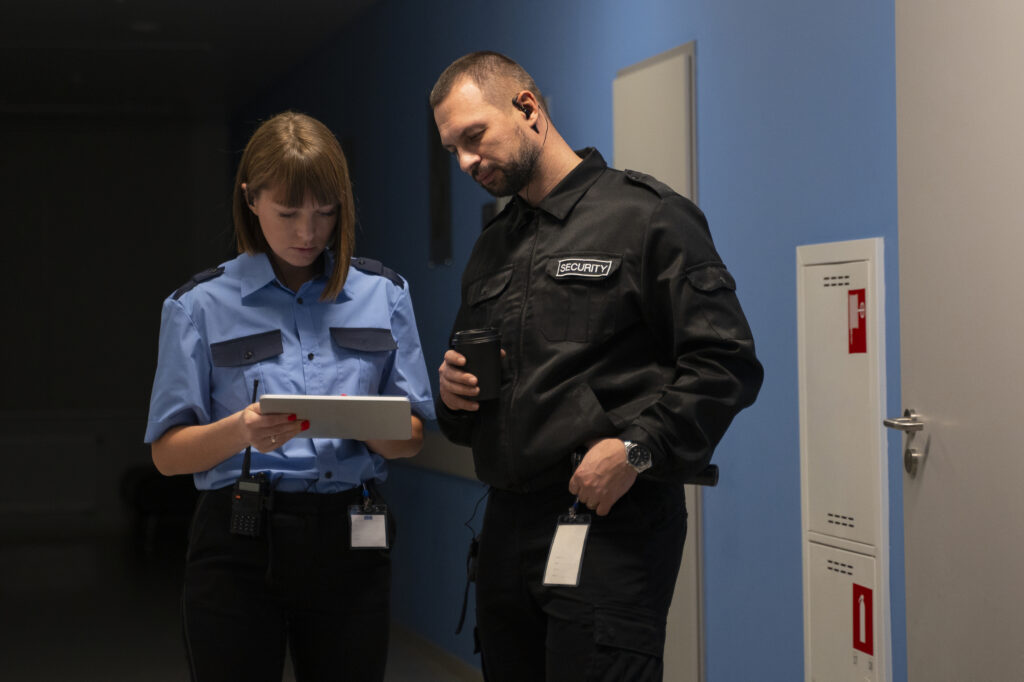
Understanding when to get a police check is crucial for anyone looking for work, volunteer work, or other official approvals in today’s cutthroat and heavily controlled society. Employers and organizations can make well-informed decisions by using vital information about an individual’s criminal history (if any) that is provided by a police check, also called a Nationally Coordinated Criminal History Check. Whether you’re applying for a job, volunteering at a non profit, or pursuing immigration or licensing, a police check can be a vital part of the process. This article explores everything you need to know about police checks in Australia, including what they involve, and why they’re so important when applying for a job. What Is a Police Check? A police check is an official document that outlines an individual’s criminal history. It includes details such as: Importantly, a police check does not list “spent convictions,” which are older offences removed from an individual’s record after a legally defined period of good behaviour. Why Police Checks Matter Increasing Safety and Confidence Upholding accountability, security, and respect in both social and business environments is the goal of police checks. They aid businesses to make sure that those who engage with or recruit don’t do any risks to others, particularly vulnerable groups. Encouraging Well Informed Choices Organizations, licensing agencies, and immigration personnel can determine when a candidate is qualified for a specific position or privilege by looking over a police check. When You Should Get a Police Check During Recruitment and Pre employment Screening The employment procedure is one of the most frequent occasions for a police check to be performed. Before giving a position, many firms demand police checks, particularly in sectors like: Knowing when to get a police check can make you a more appealing candidate during job applications. Being proactive can show that you are responsible and prepared When Volunteering or Joining a Non-Profit Organisation Children, the elderly, and those with disabilities are among the vulnerable categories that charitable organizations frequently assist. For this reason, police checks are often required for volunteer work. To speed up the integration process, it’s a good idea to know when to get a police check if you’re thinking about volunteering. Before Applying for a Licence Licensing bodies often request a police check as part of their criteria. This includes: A clean police check can improve your chances of obtaining the necessary licences without delays. When Working with Children or Vulnerable People Jobs that involve regular contact with vulnerable individuals require higher scrutiny. In these cases, a Working with Children Check (WWCC) may be required alongside a standard police check. If you’re unsure in such roles, the answer is usually before your first day on the job or sometimes even earlier, as part of the vetting process. What to Expect in a Police Check Result You may be more ready for any possible outcomes by being aware of what your police check includes. A typical police check result may contain: What’s Not Included? Is a Police Check Always Required? No, not every job or activity requires a police check. However, knowing when to get a police check can provide a strategic advantage. Roles Where It’s Crucial Optional But Advantageous Even when not mandatory, a police check can help reassure an employer, landlord, or agency that you’re trustworthy. The Process of Getting a Police Check Step 1: Choose an Accredited Provider Use a government-accredited provider like Rapid Screening for fast, secure, and reliable service. Step 2: Provide Identification You will need various ID documents, such as: Step 3: Submit the Application Online requests are typically accepted. According to the supplier and the detailed nature of the check, execution periods can vary. Step 4: Receive the Report Your police check result will be delivered as a digital certificate or printed document, depending on your choice. How Long Is a Police Check Valid? There is no fixed validity period for police checks in Australia. The check reflects your record only up to the date it was issued. Recommended Timeframes To remain compliant and prepared, understanding when to get a police check can help you stay ahead of any upcoming obligations. Benefits of Getting a Police Check Proactively Faster Onboarding The recruitment procedure can go more quickly if a current police check is available, particularly for positions that require quick responses. Improved Opportunities Some job listings favour applicants who can provide a police check upfront. Knowing when to get a police check can keep you ahead of the competition. Peace of Mind A clear police check removes uncertainty and supports transparency during applications for jobs, visas, or licences. Where Else Might You Need a Police Check? Beyond employment and volunteering, police checks are relevant for: Knowing when to get a police check in these scenarios ensures you’re never caught off guard. How Rapid Screening Can Help At Rapid Screening, we simplify the entire process of obtaining a police check. Whether you’re an individual applying for a job, a volunteer role, or a business looking to vet multiple employees, we provide: Need help beyond just police checks? We also offer full background screening services for businesses and individuals. Rapid Screening provides services in all of Australia, such as Queensland, South Australia (SA), Victoria, and others. Conclusion: Use the Appropriate Checks to Be Ready Any person handling today’s job market, volunteering possibilities, or formal requests needs to know when to seek a police check. These investigations offer important details about your background and personality, and they are frequently an essential qualification for work, a license, or citizenship. The advantages of police checks are obvious, ranging from enhancing your employment prospects to meeting legal obligations. Proactively conducting your background check demonstrates competence, readiness, and honesty. Are you prepared to begin? Your prospective self will be grateful you for visiting Rapid Screening to securely and swiftly request to have a police check. Frequently Asked Questions (FAQs) Q) How to know when to request a police check? Whenever requesting positions in delicate
ACIC vs AFP Police Check: What’s the Difference?

Police checks play an essential role in different applications, including employment and visa applications, as well as licenses, in Australia. Among the most prominent police checks conducted by the Australian Criminal Intelligence Commission and the Australian Federal Police are those that differ in scope, purpose, and process. This comprehensive guide will help you know which of the police checks is the most suitable for your specific needs. What is an ACIC Police Check? A National Police Check or ACIC police check is conducted by the Australian Criminal Intelligence Commission. It involves the access of national databases to reveal if any criminal offense has been recorded against an individual. If you happen to look for an police check Victoria or any other state, then this check would basically offer an in-depth overview of an individual’s criminal record within Australia. Key Features of ACIC Police Checks Coverage: The police check under ACIC is nationwide, including records of all Australian states and territories. So in case you’re getting a police check in Victoria or any other state, the result will contain data countrywide. Purpose: An ACIC police check is sometimes done as part of a background check in employment, visa application, and many forms of licensing. For instance, if you are seeking to apply for a job where you might be working with vulnerable groups, you may require an enhanced ACIC police check for your employment application. Level of Detail: The search provides all logged criminal offenses with specific detail on the type of offense, date when the offense took place, and result. All this detail will help employers and others make informed decisions. Accredited Service Providers: All ACIC police checks are conducted by accredited service providers within the Australian Criminal Intelligence Commission. These service providers can obtain and return results from national criminal history databases. Most accredited service providers also offer rapid screening police check options for quick results. Types of ACIC Police Checks Standard ACIC Police Check This check will, thus, give a report of any criminal offenses documented about a person. It is usually mandatory for a variety of purposes, including employment and licensing. If you need an ACIC police check NSW or any other place, then this is the standard one you should go for. National Police Check ACIC This type of check offers a broader scope, comprising offense history from all Australian states and territories. It is required for jobs for which a more detailed background check ought to be done or for people who intend to change states. ACIC Accredited Police Check Issued by accredited bodies of ACIC, such a check is authentic and valid for the exchange of information. For people with emergent cases, accredited agencies often have fast-track screening procedure What is an AFP Police Check? It is administered by the Australian Federal Police, focusing chiefly on federal offenses and records as dealt with by the AFP. This kind of check is applied best to federal government roles as well as international positions. Key Features of AFP Police Checks Scope of Coverage: Federal criminal records. In this regard, it will include information regarding federal crimes, not necessarily state-specific crimes unless under the purview of the federal government. Purpose: AFP police checks are usually done on people when they are put into federal government positions, get high security clearances or when required to travel abroad. It is used on issues concerning federal security. Level of Detail: This check will give specific detail in relation to federal offenses committed by persons that have been proven to be of national or international significance. Process: AFP police checks can be processed either directly through the AFP or through authorized agencies. Processing time is variable depending on the nature of the check and the detail required. ACIC vs AFP Police Check: Key Differences ACIC Police Check: National Coverage: The ACIC check provides coverage of any criminal history record of a person across all the states and territories of Australia. Whether; police check in Victoria or NSW or whatsoever, it delivers a comprehensive view of the criminal record of a person. AFP Police Check: Federal Coverage: Now, it might be said that an AFP police check majorly concentrated upon federal offenses and records held by the AFP. However, this check is absolutely essential for jobs related to federal security but lacks state-specific offense coverage. Full Details: Includes voluminous information in relation to all the crimes committed throughout Australia, and it encompasses a comprehensive criminal offense history irrespective of place. Federal Offenses: It provides more details about offenses at the federal level but may not involve records at the state level. Purpose and Use ACIC Police Check: Multi-Purpose Usage: Common for a wide variety of uses in the workplace, licensing, and visa applications. You would be able to use this kind of police check from the ACIC in Victoria or any other state if you are applying to work in an area where they do a full history check. AFP Police Check: Niche Usage: Commonly applied for federal jobs or national security-oriented employment. It is required in all positions that involve verifying the federal criminal history. Case Studies and Practical Applications Case Study 1: Employment Screening Scenario: An organization needs to recruit a new person for the position of financial management. ACIC Police Check: This is criminal record checking in whatever part of Australia. If you are in Victoria or NSW, then for sure, the ACIC Police check will ensure the prospective employee is scrutinized across criminal history. AFP Police Check: In this case, it will not necessarily be required for this position, unless the position requires federal security, but could be seen as potentially relevant for positions requiring federal oversight. Case Study 2: Visa Applications Application Scenario: An individual is applying for a visa to come to Australia. ACIC Police Check: This check is necessary to provide a comprehensive view of the person’s crime history across the entire states and territories of Australia. This check becomes indispensable for the immigration